Micro-Market vs. Traditional Vending: Which Fits Your Dallas Office?
Comprehensive comparison of micro-markets and traditional vending machines, helping Dallas businesses choose the right workplace food solution based on space, employee count, and budget.
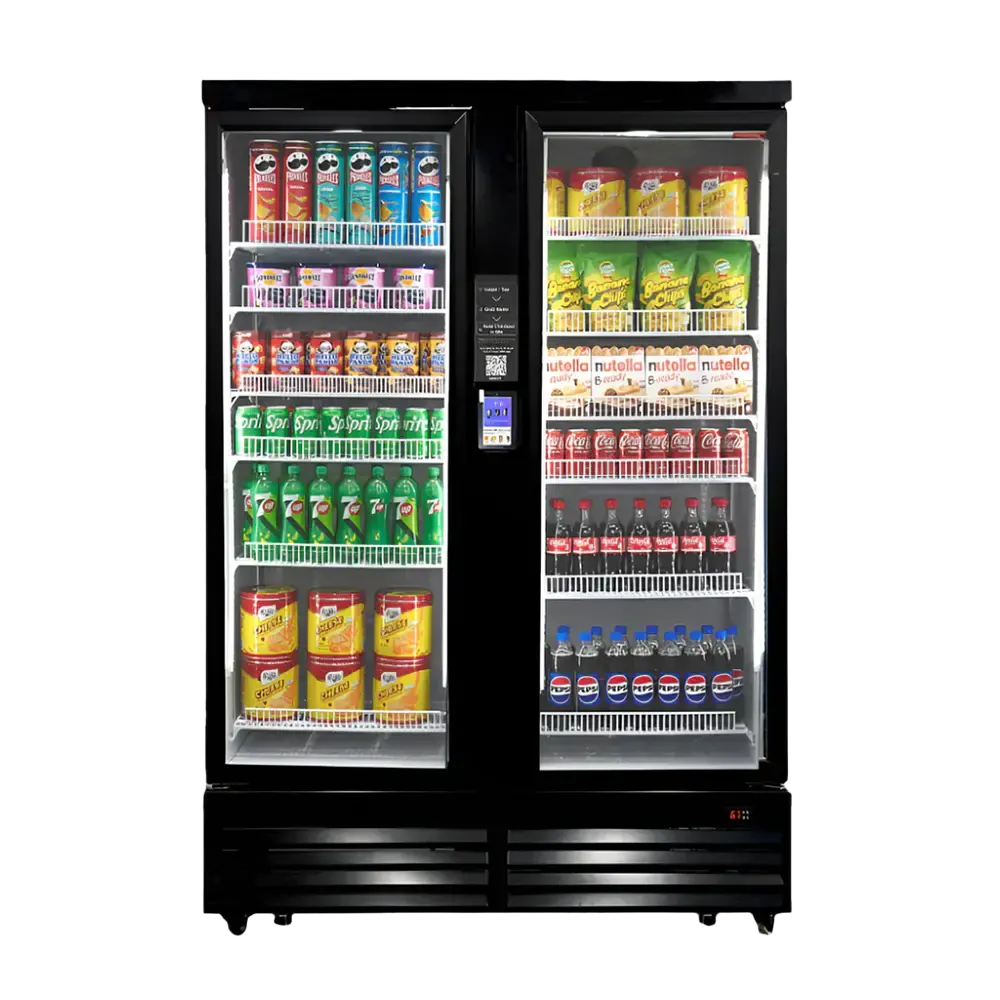
As workplace food solutions evolve, Dallas businesses face an expanding menu of options beyond traditional vending machines. Micro-markets—self-service convenience stores within your office—represent a growing trend. But which solution actually fits your needs? This comprehensive guide helps you make an informed decision.
Quick Decision Guide
Traditional Vending May Be Better If:
- You have 10-75 employees
- Space is limited (under 150 sq ft available)
- Budget is a primary concern
- You want grab-and-go simplicity
Micro-Market May Be Better If:
- You have 75-100+ employees
- You can dedicate 200-400 sq ft of space
- Fresh food variety is a priority
- You want a premium amenity statement
What is a Micro-Market?
A micro-market transforms a portion of your break room into a self-service convenience store. Think of a mini 7-Eleven inside your office: open shelving displays products clearly, refrigerated cases hold fresh items, and a self-checkout kiosk processes transactions.
Typical Micro-Market Components:
- Open shelving for snacks and packaged foods
- Glass-door refrigerators for fresh items
- Self-checkout kiosk with touchscreen
- Security cameras for loss prevention
- Seating area integration (optional)
- Coffee and beverage stations
Product Offerings Typically Include:
- Fresh sandwiches, salads, and meals
- Yogurt, fruit, and healthy options
- Traditional snacks and candy
- Refrigerated and hot beverages
- Grab-and-go breakfast items
- Bulk items and meal components
Traditional Vending Machines Explained
Modern vending machines have evolved far beyond basic candy and soda dispensers. Today's equipment offers sophisticated technology, diverse product options, and user-friendly experiences.
Modern Vending Capabilities:
Technology Features:
- Cashless payment systems
- Remote inventory monitoring
- Sensors that detect a failed vend
- Energy-efficient refrigeration
- Sales analytics and reporting
Product Versatility:
- Healthy and traditional snacks
- Fresh and frozen food options
- Hot and cold beverages
- Specialty and dietary items
- Local and premium products
Space Requirements Comparison
Physical Footprint Analysis
Micro-Market Space Needs:
- Minimum: 150-200 sq ft for basic setup
- Optimal: 250-400 sq ft for full amenity
- Required clearances: Customer flow space, restocking access
- Additional considerations: Electrical outlets, camera sight lines
Example: A 12' x 20' break room area provides ~240 sq ft—adequate for a moderate micro-market installation.
Traditional Vending Space Needs:
- Single machine: 8-12 sq ft (3' x 3' to 3' x 4')
- Combo setup (2-3 machines): 25-40 sq ft
- Required clearances: 3-4 feet in front for user access
- Utilities: Standard electrical outlet
Example: Two vending machines in a hallway alcove need only ~30 sq ft total—dramatically less space than micro-markets.
Space Efficiency Winner: Traditional vending machines take up a fraction of the floor area a micro-market needs — the two-machine example above fits in roughly 30 sq ft — which makes them a better fit for offices short on square footage.
Employee Count Sweet Spots
Optimal Population Ranges
10-50 Employees: Traditional Vending Recommended
Why: Smaller populations typically don't generate sufficient volume to justify micro-market infrastructure and overhead. Vending provides excellent variety without requiring the foot traffic micro-markets need to remain viable.
Typical Setup: 1-2 vending machines providing snacks, beverages, and select fresh items. Restocked weekly or bi-weekly based on usage.
50-75 Employees: Vending Still Usually Optimal
Why: This range can support robust vending with multiple machines and diverse selections. Micro-markets become viable but may be overkill unless employees specifically prioritize fresh food variety and the campus-store experience.
Typical Setup: 2-3 vending machines offering comprehensive variety, potentially including fresh food machines. Restocked 1-2 times weekly.
75-100 Employees: Either Option Works
Why: This is the crossover range where both solutions can thrive. Decision depends on space availability, budget, fresh food priority, and desired amenity statement rather than pure viability.
Decision Factors: If space is limited or budget-sensitive, vending works great. If you want to make a premium amenity statement and have space, micro-markets become attractive.
100+ Employees: Micro-Markets Become Compelling
Why: Larger populations generate sufficient volume to support micro-market operations effectively. The enhanced variety, fresh food options, and amenity impression justify the additional space and infrastructure.
Consideration: Even at this scale, some businesses prefer multiple vending locations throughout a building rather than a centralized micro-market, depending on layout and employee distribution.
Product Selection Differences
Vending Strengths:
Excellent For:
- Grab-and-go snacking convenience
- Beverages (hot and cold)
- Shelf-stable packaged foods
- Quick energy/focus items
- Individual serving sizes
Limitations:
- Fresh meal variety more limited
- Bulk or multi-serving items difficult
- Visual product browsing restricted
- Requires spiral/slot compatibility
Micro-Market Strengths:
Excellent For:
- Fresh meals and salads
- Extensive product variety
- Visual browsing experience
- Bulk items and multi-packs
- Premium and specialty products
Considerations:
- Requires sufficient space
- Needs adequate employee population
- Fresh food requires frequent restocking
- Open format requires security monitoring
Cost and Investment Comparison
Financial Considerations
Free Installation Model Comparison:
Important Note: Both solutions typically operate on free installation models where the service provider owns equipment and generates revenue through employee purchases. However, cost structures differ:
Traditional Vending:
- Installation: Free (provider-owned equipment)
- Maintenance: Included in service
- Restocking: Weekly to bi-weekly, included
- Utilities Impact: Minimal (~$20-40/month)
- Product Pricing: Competitive retail rates
- Space Opportunity Cost: Very low (25-40 sq ft)
Micro-Market:
- Installation: Free (provider-owned infrastructure)
- Maintenance: Included in service
- Restocking: 2-3 times weekly minimum, included
- Utilities Impact: Moderate (~$50-100/month)
- Product Pricing: Varies; fresh items may be higher
- Space Opportunity Cost: Significant (250-400 sq ft)
Key Takeaway:
While both operate on zero-cost installation models, micro-markets consume premium break room space that could potentially serve other purposes. For businesses where every square foot counts, this represents a meaningful consideration beyond pure service costs.
Technology and User Experience
Payment and Convenience Features
Vending Payment Experience:
- Individual machine interfaces
- Direct payment at point of selection
- Credit/debit card readers
- Mobile payment (Apple Pay, Google Pay)
- Cash acceptance (if desired)
- Transaction typically under 30 seconds
Micro-Market Checkout Experience:
- Central self-checkout kiosk
- Scan multiple items at once
- Touchscreen interface
- Card and mobile payment
- Account-based payment options
- Similar to self-checkout at retail stores
When Traditional Vending is the Better Choice
Vending Machines Excel In These Scenarios:
Limited Available Space
When you have hallway alcoves, small break rooms, or distributed locations throughout a building, vending provides refreshments without dedicating significant square footage.
Smaller Employee Populations
Under 75 employees, vending delivers excellent variety and service without requiring the volume micro-markets need to remain economically viable for providers.
24/7 Facility Operations
Manufacturing, healthcare, or operations running round-the-clock benefit from vending's secure, always-available format without requiring security monitoring of open market areas.
Multi-Location Coverage
Buildings with employees on multiple floors or distributed areas serve populations better with several vending locations rather than one centralized micro-market requiring travel.
Simplicity Priority
Some businesses simply prefer the straightforward grab-and-go convenience of vending without the broader product browsing micro-markets encourage.
When Micro-Markets Make Sense
Micro-Markets Excel In These Scenarios:
Large Centralized Employee Populations
100+ employees working in a centralized location with dedicated break room space can support and appreciate the enhanced variety micro-markets provide.
Fresh Food Priority
If employees strongly prefer fresh meals, salads, and refrigerated options over traditional vending fare, micro-markets deliver significantly more variety in this category.
Campus-Style Offices
Suburban corporate campuses with spacious break rooms and centralized gathering areas provide ideal environments for micro-market installations.
Replacing Full Food Service
Companies eliminating cafeterias or catered meal programs may find micro-markets provide better fresh food variety than traditional vending while avoiding full foodservice complexity.
Premium Amenity Positioning
Businesses seeking to make a statement about workplace investment and culture may prefer the upscale appearance and experience micro-markets provide.
Hybrid Solutions: Best of Both Worlds
You're not limited to choosing just one approach. Many Dallas businesses find optimal results combining both solutions strategically:
Effective Hybrid Approaches:
Main Floor Micro-Market + Floor Vending:
Large multi-floor buildings might install a micro-market on a main gathering floor while placing smaller vending machines on other floors for convenient access.
Phased Implementation:
Start with vending to establish baseline usage and employee preferences, then upgrade to micro-market if volume and demand justify the expansion.
Complementary Placement:
Micro-market for fresh meals and variety in the main break room, vending machines near remote work areas or production floors for quick grab-and-go access.
Dallas-Specific Considerations
Local Market Factors
Dallas Climate and Fresh Food:
Dallas's hot summers require robust refrigeration for fresh food. Micro-markets managing extensive refrigerated inventory need reliable equipment and frequent restocking—especially important when evaluating providers' local service capabilities.
Real Estate Costs:
Dallas office space, while more affordable than coastal markets, still represents valuable square footage. The 200-400 sq ft micro-markets require may have meaningful opportunity cost in prime Uptown, Las Colinas, or Legacy West locations.
Provider Availability:
Traditional vending services are widely available throughout Dallas. Micro-market providers may be more limited, potentially affecting service quality and responsiveness. Verify local operational capabilities, not just whether a provider "serves" Dallas.
Making Your Decision
Choosing between micro-markets and traditional vending isn't about which is "better"—it's about which fits your specific situation:
Key Decision Framework:
- 1. Assess Your Space: How much dedicated area can you realistically allocate?
- 2. Count Your Employees: Does your population support the solution you're considering?
- 3. Survey Preferences: What do employees actually want—convenience or variety?
- 4. Consider Your Culture: What statement do you want workplace amenities to make?
- 5. Evaluate Providers: Who can deliver reliable service for your chosen solution?
Select Choice Vending: Honest Guidance for Dallas Businesses
As a family-operated Dallas vending service, we focus on traditional vending solutions—and we're upfront about that. We believe in recommending what actually fits your needs, even if that means discussing options we don't provide.
- We'll honestly assess whether traditional vending meets your needs
- If micro-markets are clearly better for your situation, we'll tell you
- We specialize in making traditional vending work exceptionally well
- Our expertise is serving the 10-100 employee range excellently
- We know Dallas market preferences and can optimize accordingly
Contact Select Choice Vending for an honest conversation about what solution truly fits your Dallas office. No pressure to choose vending if it's not right—just transparent guidance from a local operator who would rather place the right thing than the biggest thing.
Ready to Transform Your Workplace?
Get expert advice on the best vending solutions for your Dallas business. Our family-operated service provides personalized recommendations.
Get Your Free Consultation