Vending Machine Service Comparison: Questions Dallas Businesses Should Ask
A comprehensive buyer's guide for Dallas businesses evaluating vending providers, with essential questions about service quality, technology, and partnership terms.
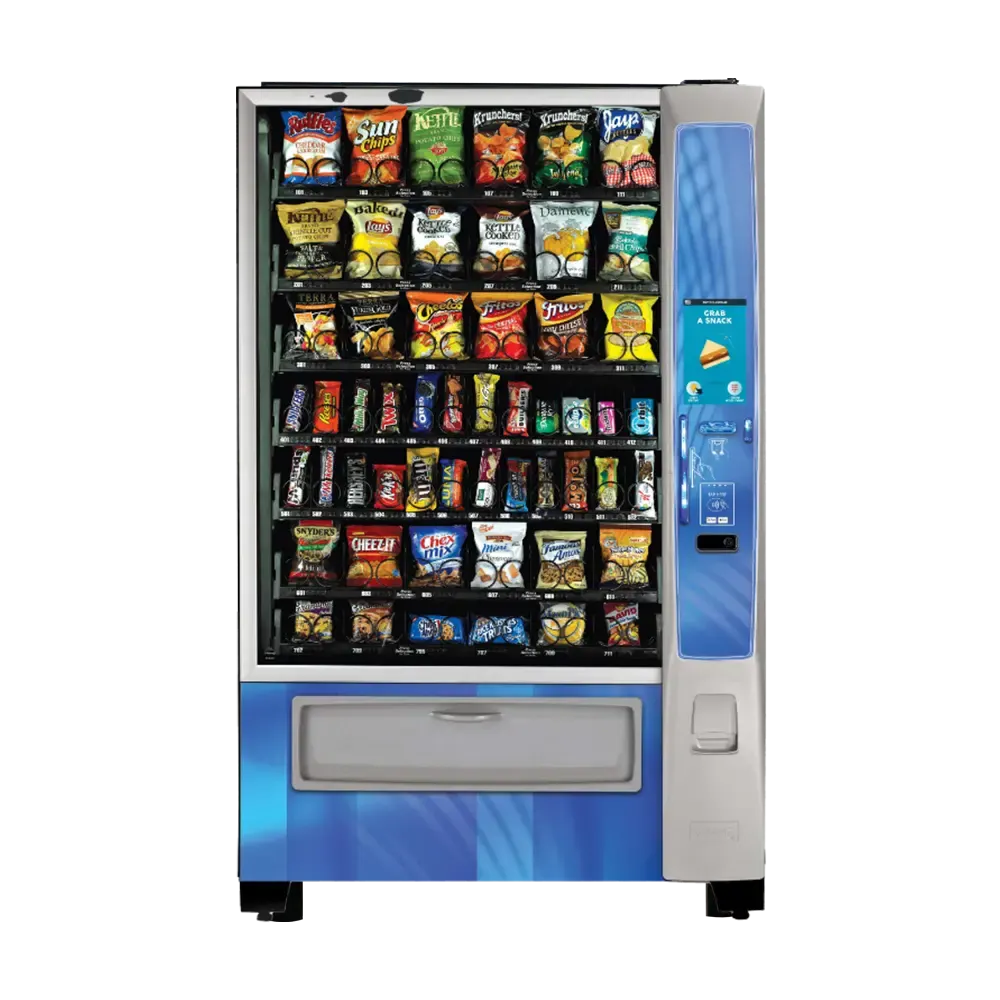
Choosing a vending service provider is an important decision that impacts your workplace daily for years to come. Yet many Dallas businesses struggle to differentiate between providers or know what questions to ask. This comprehensive guide helps you evaluate options and select a partner who will truly serve your employees well.
Why This Decision Matters
Your vending provider becomes a long-term workplace partner who impacts:
- Daily employee satisfaction and convenience
- Workplace culture and amenity perception
- Your facility operations and maintenance burden
- Budget predictability and potential costs
The right provider delivers reliable service with minimal hassle. The wrong choice leads to persistent problems, employee frustration, and administrative headaches. Taking time to ask the right questions upfront saves significant frustration later.
Service Level Agreement Questions
Response Time Guarantees
Service responsiveness directly affects employee satisfaction. A broken or empty machine frustrates your team and reflects poorly on your workplace amenities.
Questions to Ask:
- What is your guaranteed response time for emergency service issues?
- How quickly will you respond to out-of-stock situations?
- Do you offer after-hours or weekend emergency service?
- What qualifies as an "emergency" versus routine service?
- What compensation do you provide if response times aren't met?
What Good Looks Like:
Ask a provider to put a response time in writing — 24-48 hours for emergencies and same-week for routine issues is a reasonable thing to ask for. Local family-operated services often respond even faster due to proximity and direct owner involvement.
Restocking Schedules
Regular, reliable restocking is what keeps the popular lines in stock instead of empty by Thursday.
Critical Questions:
- How often will you restock our machines?
- Can the schedule be adjusted based on actual usage patterns?
- What happens if we run out of popular items between visits?
- Can we request emergency restocking if needed?
- How do you track inventory and predict restocking needs?
- Will the same technician service our location consistently?
Maintenance and Repair Coverage
Equipment malfunctions are inevitable. What matters is how quickly and thoroughly your provider addresses problems.
Ask About:
- What maintenance is included at no cost?
- Who pays for repairs and replacements?
- Do you provide backup machines during repairs?
- What is your average repair turnaround time?
- How often do you perform preventive maintenance?
Red Flags:
- Vague answers about response times
- Charging for standard maintenance
- No backup equipment available
- Lack of preventive maintenance program
- No clear escalation process for problems
Product Customization Capabilities
Selection Variety and Flexibility
Your employees have diverse preferences and dietary needs. A one-size-fits-all approach rarely satisfies everyone.
Essential Customization Questions:
Product Selection:
- How many product options can you offer?
- Can we request specific brands or items?
- Do you offer healthy and traditional options?
- Can you accommodate dietary restrictions (vegan, gluten-free, etc.)?
- Do you source local or regional products?
Ongoing Flexibility:
- How often can we adjust product selections?
- Do you rotate seasonal items?
- Can employees submit product requests?
- Will you replace slow-selling items?
- Do you provide sales data to guide selections?
Pro Tip: Ask providers to show you their product catalog and discuss how they help clients balance healthy options, employee favorites, and new discoveries. Flexibility and responsiveness to feedback matter as much as initial selection.
Technology and Payment Systems
Payment Convenience
Modern employees expect cashless payment options. Technology capabilities directly impact user experience and satisfaction.
Technology Questions to Ask:
Payment Options:
- Do machines accept credit/debit cards?
- Can employees use mobile payment (Apple Pay, Google Pay)?
- Do you still accept cash?
- Are there transaction fees for card payments?
- How secure are payment systems?
Advanced Features:
- Do you offer mobile apps for employees?
- Can we view real-time inventory status?
- Do you provide sales reporting and analytics?
- How do you monitor machine performance remotely?
- What happens if payment systems malfunction?
Reporting and Analytics
Data helps optimize product selection and understand employee preferences, but only if providers actually share meaningful information.
Ask About Reporting Capabilities:
- What sales reports do you provide and how often?
- Can we see which products are most popular?
- Do you share recommendations based on usage data?
- How do you use analytics to improve service?
- Can we access reports online or through an app?
Pricing Transparency and Financial Terms
Understanding Costs
Even with "free" installation services, understanding the complete financial picture prevents surprises and misaligned expectations.
Critical Financial Questions:
Upfront and Installation:
- Are there any upfront costs or deposits required?
- Who pays for installation and setup?
- Are there fees for equipment placement or removal?
- What happens if we need to relocate machines?
Ongoing and Hidden Costs:
- Are there monthly service fees or minimums?
- Do you charge for maintenance or repairs?
- Are there fees for product selection changes?
- What other costs might we encounter?
- Are utility costs significant for refrigerated machines?
Profit-Sharing Arrangements:
- Do you offer commission or profit-sharing?
- What percentage of sales might we receive?
- How and when are payments calculated and distributed?
- What sales volume is needed to generate meaningful returns?
Warning Signs:
- Reluctance to provide clear, written cost information
- Fees mentioned only in fine print or verbally
- Vague answers about "potential" charges
- Pressure to sign without reviewing complete terms
- Unrealistic profit-sharing promises
Contract Terms
Agreement terms define your partnership and exit options. Understanding these details prevents feeling trapped in unsatisfactory arrangements.
Contract Questions:
- What is the contract duration?
- Does it auto-renew, and under what terms?
- What are cancellation provisions?
- Are there early termination penalties?
- How much notice is required to end service?
- Can terms be renegotiated periodically?
Performance Expectations:
- Are there minimum usage requirements?
- What happens if sales don't meet expectations?
- Can either party terminate for poor performance?
- Are service level commitments binding?
- What remedies exist if service quality declines?
Local vs. National Provider Considerations
Both local family-operated services and larger national providers have distinct characteristics. Understanding these differences helps you select the best fit for your needs.
Comparison Framework
Local Family Provider Strengths:
- Direct communication with owners/decision-makers
- Typically faster response times
- Flexible, personalized service approaches
- Deep Dallas market knowledge
- Relationship-focused customer care
- Community investment and local reputation
- Adaptability to unique needs
Questions to Ask Local Providers:
- How many Dallas locations do you currently serve?
- How long have you operated in this market?
- Can we speak with current local clients?
- What makes your service different from larger competitors?
National Provider Characteristics:
- Standardized service procedures
- Larger distribution networks
- Corporate account management systems
- Brand name recognition
- Centralized support infrastructure
- Formal escalation processes
- Multi-location consistency
Questions to Ask National Providers:
- Who will be our direct point of contact?
- How quickly can local decisions be made?
- What flexibility exists for customization?
- How do you ensure consistent local service quality?
Note: These are general characteristics. Service quality varies significantly within both local and national providers. Evaluate each provider individually based on their specific capabilities and track record.
Reference Checks and Due Diligence
Verification Questions
Don't rely solely on what providers tell you. Verify their capabilities and reputation through independent research.
Due Diligence Checklist:
References and Reputation:
- Ask for references from similar-sized Dallas businesses
- Check online reviews and ratings
- Verify Better Business Bureau standing
- Ask how long typical clients stay with them
- Inquire about recent client losses and reasons
Operational Verification:
- Request to see similar installations they've done
- Ask about technician training and qualifications
- Verify insurance coverage and licensing
- Understand their backup plans for equipment failures
- Ask how they handle employee turnover in their service team
Red Flags to Avoid
Warning Signs of Problematic Providers
Communication Red Flags:
- Vague or evasive answers to direct questions
- Pressure to sign immediately without review time
- Reluctance to provide written proposals
- Poor communication during sales process
- Promises that seem unrealistic
Service Red Flags:
- No local presence or service infrastructure
- Limited product selection or flexibility
- No clear service level commitments
- Inability to provide client references
- Negative reviews about service responsiveness
Evaluation Checklist and Decision Framework
Provider Comparison Scorecard
Service Quality (Weight: 35%)
- □ Response time guarantees clearly defined
- □ Regular restocking schedule committed
- □ Comprehensive maintenance coverage
- □ Local service infrastructure exists
- □ Strong client references provided
Product Flexibility (Weight: 25%)
- □ Wide product selection available
- □ Healthy options offered
- □ Customization encouraged and supported
- □ Regular rotation and updates provided
- □ Employee feedback mechanisms exist
Technology & Convenience (Weight: 20%)
- □ Multiple payment options supported
- □ Modern, reliable equipment used
- □ Sales reporting provided
- □ Remote monitoring capabilities exist
- □ User-friendly interfaces implemented
Financial Terms (Weight: 15%)
- □ All costs clearly disclosed
- □ No hidden fees or charges
- □ Fair contract terms and duration
- □ Reasonable exit provisions
- □ Profit-sharing offered (if desired)
Company Reputation (Weight: 5%)
- □ Established Dallas market presence
- □ Positive client testimonials
- □ Good online reputation
- □ Professional business practices
- □ Community involvement demonstrated
Making Your Final Decision
Decision-Making Process
Identify your priorities (service quality, product variety, technology, local relationship, etc.)
Request proposals from 2-3 providers representing different approaches
Use this guide to ask comprehensive questions of each provider
Check references and verify claims independently
Compare using the evaluation scorecard
Review complete contract terms before signing
Consider requesting a trial period if possible
The Select Choice Vending Approach
As a family-operated Dallas vending service, we welcome the questions in this guide. Educated clients make better partners, and we believe transparency builds trust and long-term relationships.
Why Dallas Businesses Choose Us:
- Clear, honest communication about capabilities and limitations
- Fast response times backed by local Dallas operations
- Flexible product customization based on your employee feedback
- Modern equipment with comprehensive payment options
- No-pressure consultation process—we answer all your questions
Contact Select Choice Vending for an honest conversation about your vending needs. We'll provide straight answers to every question in this guide—and any others you have. No pressure, just transparency.
Ready to Transform Your Workplace?
Get expert advice on the best vending solutions for your Dallas business. Our family-operated service provides personalized recommendations.
Get Your Free Consultation